If you’ve ever heard the term “dyslexia” and wondered what it really means, you’re not alone. Many people don’t fully understand this common learning difference, so let’s break it down into simple terms.
What Exactly is Dyslexia?
Dyslexia is a learning disorder that affects how people read, spell, write, and sometimes speak. It’s not related to intelligence; in fact, many individuals with dyslexia are highly creative and intelligent. Dyslexia simply means that the brain processes written language in a different way. It is a neurological condition caused by a different wiring of the brain. There is no cure for dyslexia and individuals with this condition must learn coping strategies. Research indicates that dyslexia has no relationship to intelligence. Individuals with dyslexia are neither more nor less intelligent than the general population. But some say the way individuals with dyslexia think can actually be an asset in achieving success.
Common Signs of Dyslexia
Dyslexia can look different from one person to another, but here are some common signs:
Reading Slowly: People with dyslexia often read more slowly than their peers.
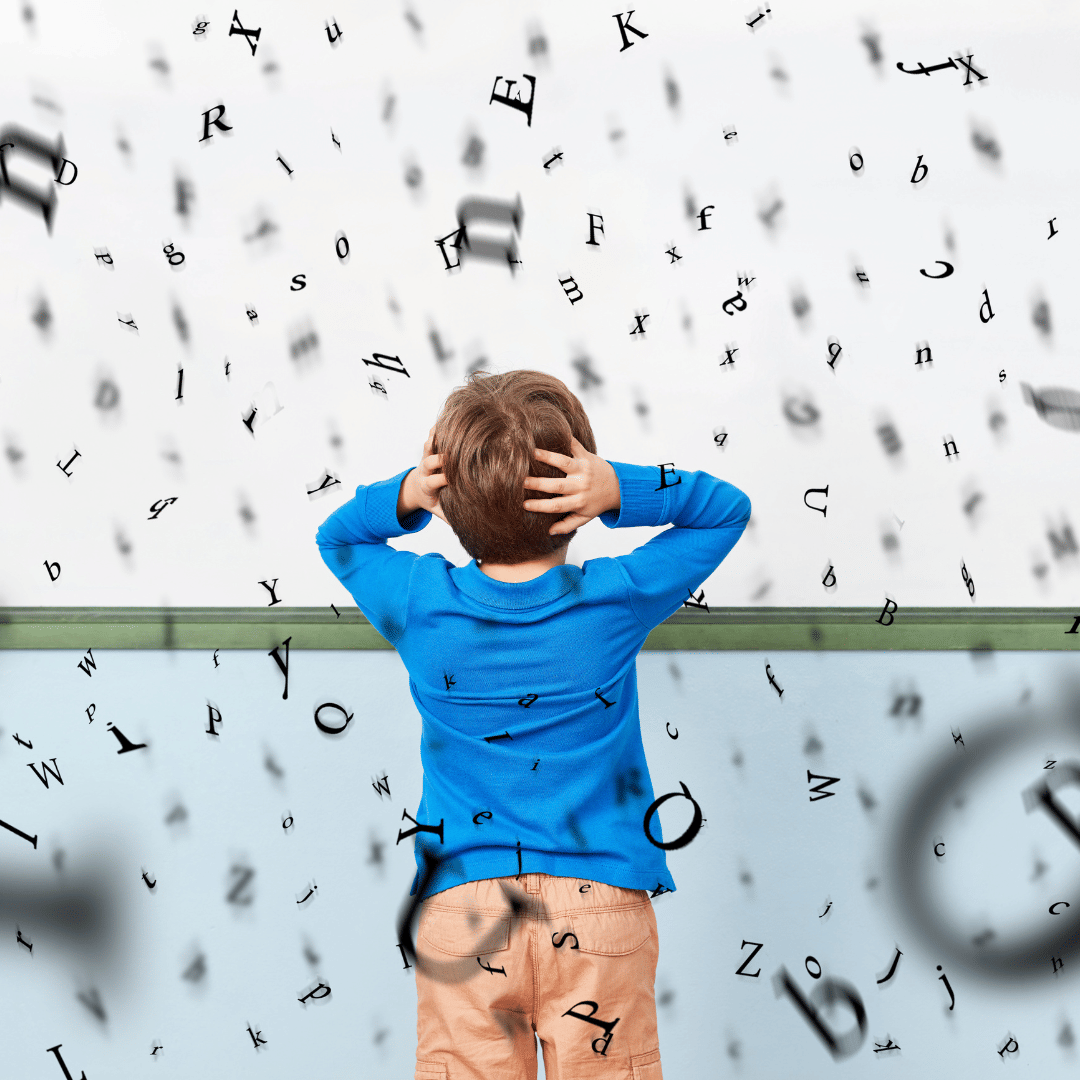
Mixing Up Letters: Letters like “b” and “d,” or “p” and “q”, might get flipped.
Spelling Struggles: Spelling may be inconsistent, even with simple words.
Avoiding Reading Aloud: Reading in front of others can be stressful.
Difficulty with New Words: Learning new words can be a slower process.
Why Does Dyslexia Happen?
The exact cause isn’t completely understood, but research suggests that it’s related to differences in parts of the brain that process language. Dyslexia often runs in families, which means there’s a genetic link.
How Dyslexia is Diagnosed
If someone shows signs of dyslexia, they can be evaluated by a specialist who will run a series of tests related to reading, writing, and language skills. Early diagnosis can make a big difference because it allows people to get support and develop strategies that work for them.

Living with Dyslexia
Dyslexia doesn’t go away, but with the right help, individuals can thrive. Teachers, tutors, and assistive technology can play big roles in supporting someone with dyslexia. There are also special learning techniques and programs that focus on phonics and comprehension strategies.
A Final Thought
Having dyslexia can be challenging, but it’s important to remember that it’s just one part of who a person is. Many people with dyslexia go on to achieve great things and excel in various fields, from art and music to science and business. Check Real Stories of People Living With Dyslexia